Latest Updates & Construction Insights from Bali Limestone

Overcoming Waterlogged Land: Why Bali Limestone is the Ultimate Backfill Solution
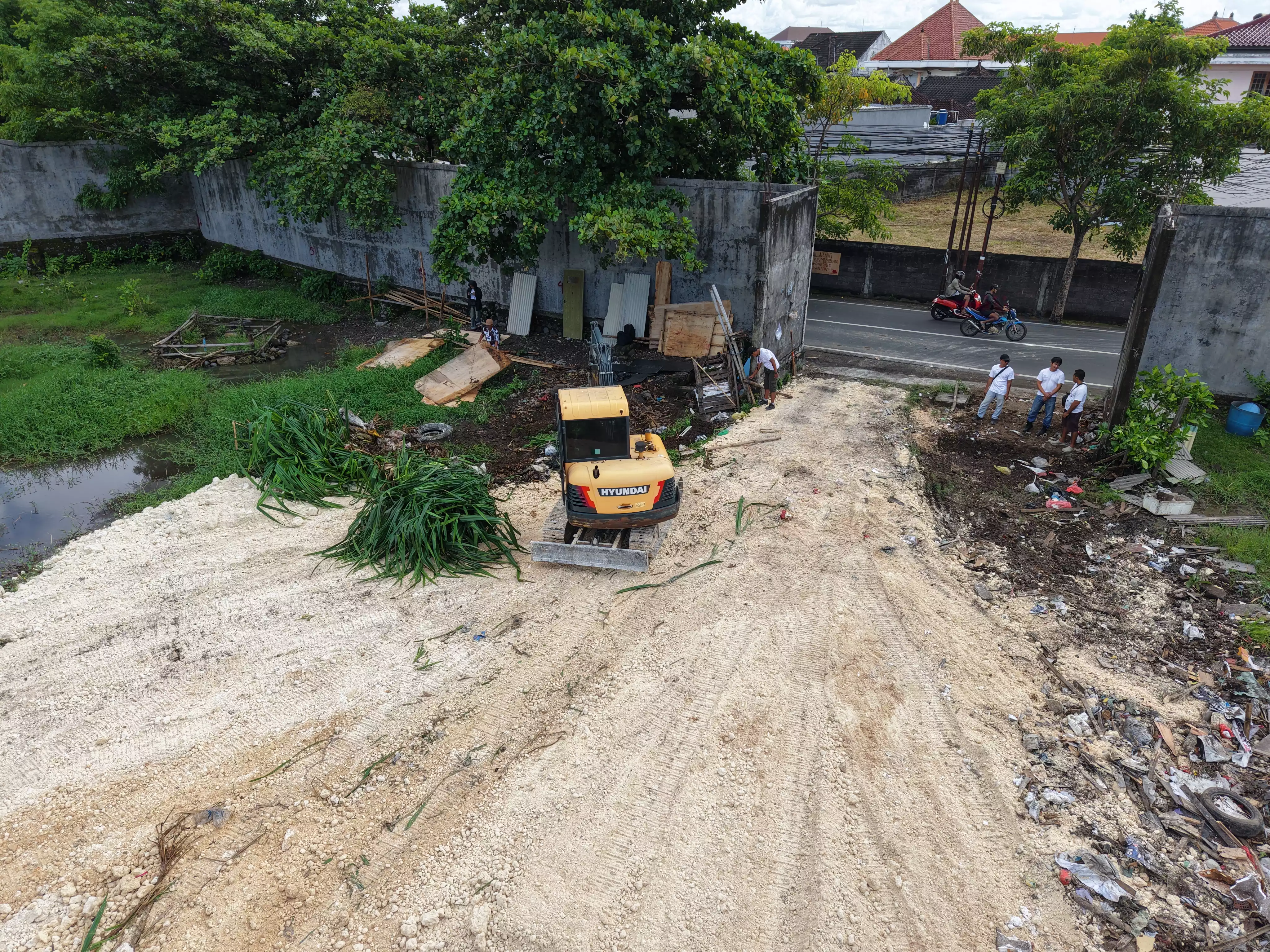
Overcoming Waterlogged Land: Why Bali Limestone is the Ultimate Backfill SolutionBali’s tropical climate brings lush, beautiful landscapes, but it also brings heavy monsoons. For property developers and investors looking to build villas or commercial spaces, waterlogged land can be a major hurdle before construction even begins. However, a swampy plot doesn't mean a lost investment; it just requires the right groundwork.The Challenge of Waterlogged Soil Building directly on land that retains water is highly risky. Without proper preparation, waterlogged soil can lead to structural instability, shifting foundations, and severe rising dampness in the walls of the building. The soil is too soft to bear the heavy load of a concrete structure, making land reclamation a mandatory first step.The Solution: Backfilling with Bali Limestone The most effective, durable, and widely trusted method to reclaim and stabilize waterlogged land in Bali is backfilling (urug) using local Bali limestone. Here is why limestone is the superior choice for ground leveling and foundation preparation:Excellent Natural Drainage: Unlike clay or regular soil, limestone is highly porous. It allows rainwater and trapped ground moisture to filter through and drain naturally, preventing future pooling on your property.Superior Compaction and Stability: Once limestone rubble is laid down and compacted using heavy machinery, it locks together to create a rock-solid, incredibly stable sub-base. This dense layer easily supports the heavy structural loads of modern villas.Cost-Effective and Locally Sourced: Mined directly from Bali’s southern regions (such as the Bukit Peninsula), local limestone eliminates massive transportation costs. It is highly abundant and economically efficient for large-scale land filling.Neutralizes Soil Acidity: Waterlogged and swampy areas often have highly acidic soil. Limestone is naturally alkaline, which helps neutralize the pH of the ground, creating a much healthier environment for your future landscaping and tropical gardens.Conclusion Transforming a waterlogged plot into prime real estate is entirely possible with the right engineering approach. By utilizing Bali limestone for backfilling, you ensure that your property investment is built upon a solid, dry, and secure foundation that will stand the test of time.
Exploring Limestone: Uses, Types and Formation
In this comprehensive guide to exploring limestone: uses, types and formation, we will look deeply into an incredibly versatile and abundant sedimentary rock that plays a foundational role in human civilization. Composed primarily of calcium carbonate, this remarkable natural resource has been utilized for thousands of years. By exploring limestone: uses, types and formation, we can truly understand why its immense economic and structural importance simply cannot be overstated in today's rapidly developing world.The geological aspect of exploring limestone: uses, types and formation reveals a fascinating process that typically takes place in calm, clear, warm, shallow marine waters. It is largely a biological sedimentary rock, forming from the steady accumulation of shell, coral, algal, and fecal debris. Over millions of years, the immense pressure from the ocean water above compacts these organic sediments into the solid, durable rock layers that we actively mine today.When exploring limestone: uses, types and formation across various industrial applications, the global construction sector easily emerges as the largest consumer. This rock is heavily mined, crushed, and processed to manufacture portland cement, which is the essential glue holding modern infrastructure and concrete buildings together. Furthermore, crushed forms of this rock serve as a robust base material for roads, highways, and railway tracks, ensuring structural integrity and longevity.Beyond heavy construction, exploring limestone: uses, types and formation shows its immense value in agriculture and environmental management operations. Farmers frequently apply pulverized agricultural lime to their fields to effectively neutralize soil acidity, thereby creating an optimal environment for crops to absorb necessary nutrients. It is also widely utilized in water treatment facilities to purify drinking water and adjust its pH levels for safe human consumption.In the global manufacturing industry, limestone acts as a crucial fluxing agent in steel production, helping to efficiently remove impurities from iron ore. It is also a key active ingredient in the mass production of glass, paper, plastics, and even everyday household items like toothpaste and pharmaceuticals.In conclusion, exploring limestone: uses, types and formation proves that it is much more than just an ordinary rock; it is a vital economic pillar and a timeless architectural wonder. Ensuring the sustainable extraction and responsible ecological management of this invaluable resource is absolutely essential for maintaining both human progress and long-term environmental balance for future generations.
How to Cut Costs on Land Preparation and Foundation Work in Construction Projects
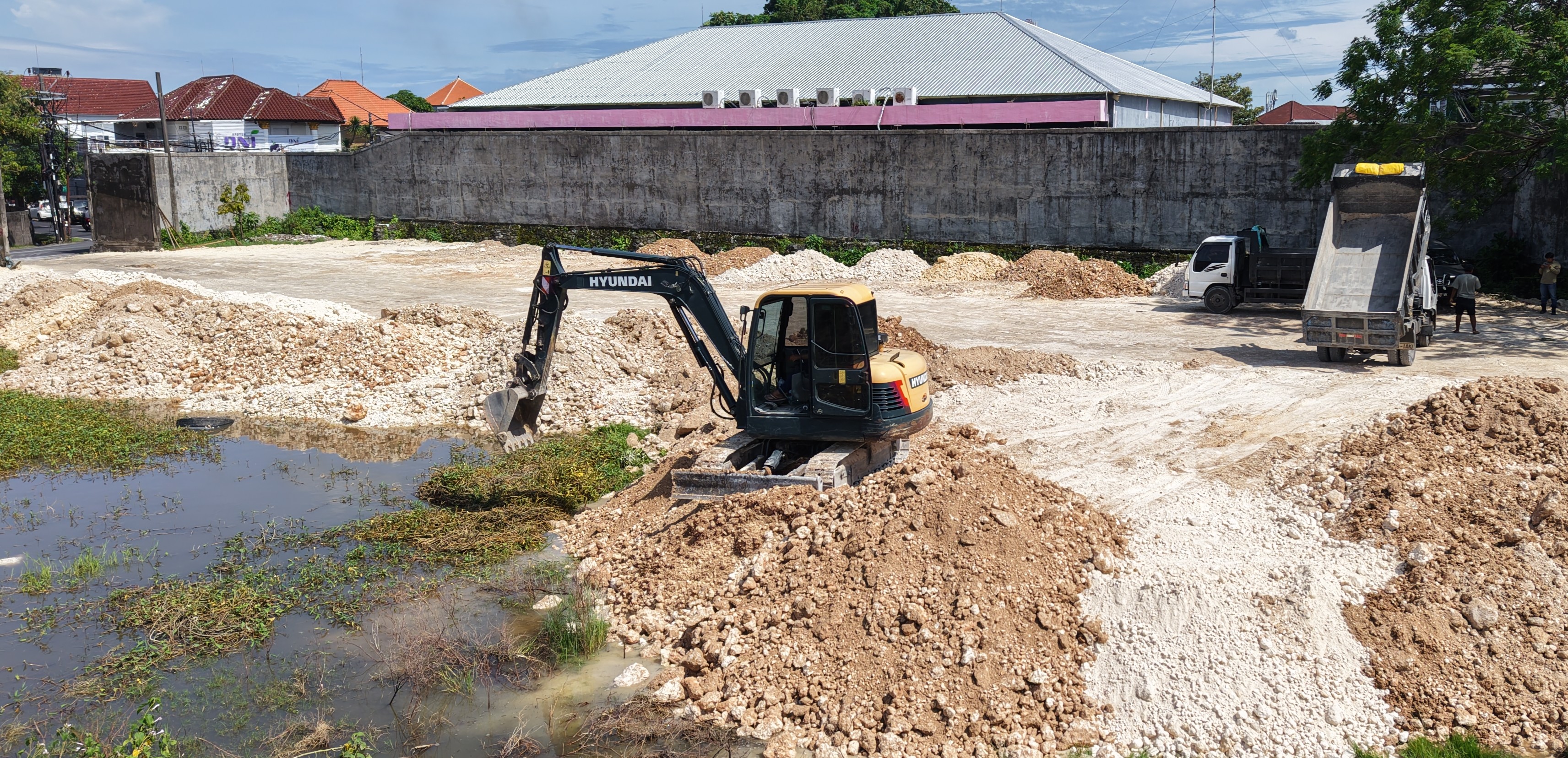
The initial phases of a construction project—land preparation (site leveling) and foundation building—frequently absorb a significantly larger portion of the budget than developers or contractors initially project. Budget overruns at this stage are rarely caused by a single catastrophic mistake. Instead, they are usually the result of accumulated micro-inefficiencies that go unnoticed during the planning phase. Implementing practical, strategic adjustments during these crucial early stages can significantly protect your bottom line without compromising structural integrity. Here is how to optimize your budget efficiently. 1. Source Materials Directly from First-Tier Suppliers A primary driver of inflated material budgets is an unnecessarily long supply chain. Every time a material moves from the manufacturer to a distributor, wholesaler, retailer, and finally to your project site, middleman margins are added. These cumulative markups drastically increase final on-site costs. For materials like natural stone, paras stone (sandstone), or exterior finishing elements, sourcing directly from a first-tier supplier like Bali Limestone offers distinct structural and financial advantages: - Highly Competitive Pricing: Eliminates middleman markups completely. - Quality Consistency: Direct sourcing ensures batch consistency and predictable material grades straight from the production source. - Customization Flexibility: Direct lines to the supplier allow for custom cutting and sizing tailored precisely to your architectural design, reducing on-site waste. - Streamlined Communication: Shorter communication loops mean faster resolution times for shipping adjustments or order revisions. For developers managing large-scale or recurring projects, establishing a direct relationship with primary suppliers unlocks long-term volume discounts and priority scheduling—benefits standard retail hardware outlets cannot provide. 2. Match Heavy Equipment Rentals to Project Scale Another common planning pitfall is choosing heavy machinery based on local availability rather than actual project requirements. Renting a massive excavator or bulldozer for a relatively small plot might feel like an operational safety net, but it is highly counterproductive financially due to inflated daily rental rates and excessive fuel consumption. Before signing a heavy equipment lease, evaluate these core parameters: - Volume Alignment: Match machine capacity directly to your calculated excavation or backfilling volume. Oversized machinery in tight spaces restricts maneuverability and slows down progress, while undersized equipment extends rental durations. - Realistic Timeline Projections: Calculate operational hours precisely to avoid steep penalties or unplanned lease extensions. - Contract Optimization: Evaluate whether a daily rate or a volume-based bulk contract yields better efficiency for your specific timeline. - Fuel Efficiency Tracking: Monitor estimated fuel consumption per operational hour, as minor efficiency gaps accumulate rapidly over multi-week projects. 3. Optimize the Cut and Fill Strategy Early On Efficient land preparation relies heavily on a precise, well-balanced cut and fill blueprint. Ideally, the soil excavated from higher sections of the site should be repurposed immediately to fill lower areas. Balancing your cut and fill volumes eliminates two major logistics costs: 1. The cost of hauling excess soil off-site. 2. The cost of importing external fill dirt. Because transport, loading, and disposal fees are highly sensitive to fuel prices and distance, minimizing earthwork transport is one of the most effective ways to keep site preparation costs low. 4. Conduct Comprehensive Soil Tests Before Foundation Design Designing a foundation without accurate, localized geotechnical data leads to two equally expensive scenarios: over-engineering (building a massive, unnecessarily costly foundation) or under-engineering (resulting in structural settling and catastrophic remediation costs later). Investing in a professional soil survey (such as a cone penetration test or boring test) at the genesis of the project represents a minor upfront cost. The data gathered allows structural engineers to design a foundation optimized perfectly for the actual bearing capacity of your soil, saving thousands in unnecessary concrete, steel, and labor. 5. Consolidate Material Delivery Schedules Fragmented, last-minute material ordering results in premium shipping rates and frequent project downtime. Consolidating your logistics into scheduled bulk deliveries significantly lowers your total transportation overhead. To execute this effectively, project managers must coordinate closely with suppliers regarding on-site storage capacity and structural phase requirements. Grouping deliveries ensures that vehicles operate at full capacity, maximizing the value of every logistical dollar spent. Cost efficiency during land preparation and foundation work is not about cutting corners or sacrificing structural safety; it is about smarter, data-driven planning. By shortening your material supply chains, aligning machinery scale to actual site needs, and optimizing your earthwork and logistics strategies, you can significantly improve your project's overall financial health from the ground up.